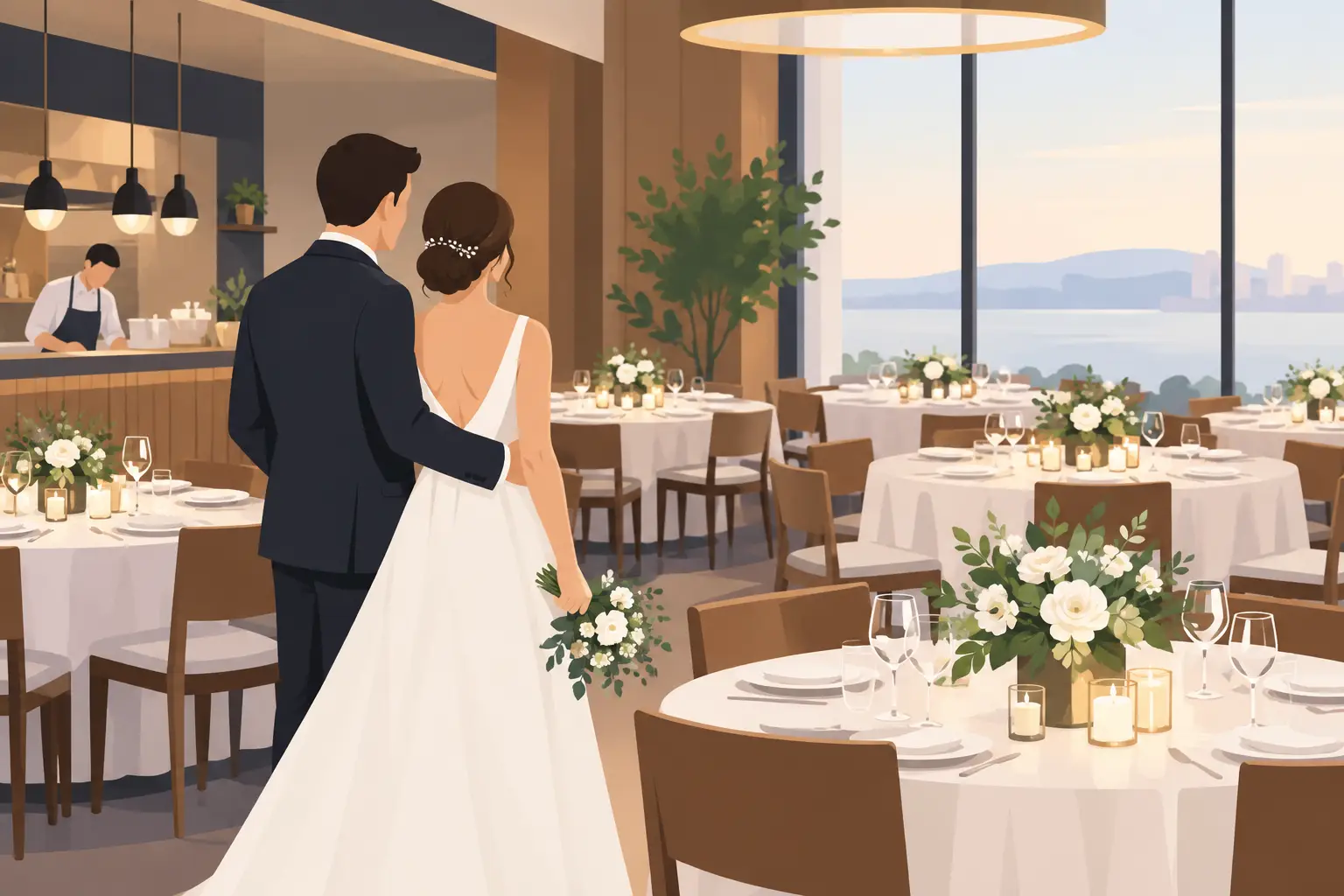
A wedding reception does not need a ballroom, a dozen outside vendors, and a midnight teardown to feel special. The right restaurant gives you the parts guests remember most: great food arriving hot, cold drinks close at hand, a setting with personality, and plenty of time to celebrate with your people. This guide to restaurant wedding receptions will help you decide whether the format fits your day and how to plan one that feels easy, personal, and worth talking about long after the last toast.
Why a Restaurant Reception Works
Restaurant receptions are a strong fit for couples who care more about a warm, lively gathering than a formal production. Instead of building a temporary dining experience from scratch, you are hosting where hospitality is already the job. The kitchen, bar, tables, service team, and atmosphere are in place, which means fewer moving pieces for you to manage.
They can also make the budget easier to understand. A traditional venue may have a lower room fee but require separate catering, bar service, rentals, staffing, and cleanup. At a restaurant, food and beverage are usually the heart of the package. You can focus your spending on the guest experience rather than on items no one notices, like chair delivery windows and serviceware returns.
That said, a restaurant reception is not automatically less expensive. A full open bar, premium menu upgrades, private space rental, custom desserts, and a large guest count can add up quickly. The advantage is clarity. Ask for a complete estimate early, including service charges, taxes, minimums, deposits, and any fees for outside cake or decor.
Start With the Guest Count and Your Kind of Party
Before falling in love with a patio view or private dining room, make a realistic guest list. A restaurant can be ideal for an intimate dinner of 25, a happy-hour reception for 60, or a larger celebration if the venue has dedicated event space. The key is choosing a room that lets everyone relax without feeling packed in or spread too far apart.
Think about the energy you want. A seated dinner creates a more focused, unhurried evening and works well for toasts, speeches, and multi-generational guest lists. A cocktail-style reception with passed bites, stations, and room to mingle feels more casual and can give guests more freedom. It is often a smart choice when the ceremony and reception happen close together or when you want a shorter, high-energy celebration.
For an outdoor reception, have a weather plan that is specific, not hopeful. In North Texas, sunshine can turn hot, wind can arrive fast, and an evening storm can change the plan in minutes. Ask whether there is covered seating, an indoor backup area, fans or heaters, and a clear decision time for moving the event. A lakeside patio at sunset can be a beautiful backdrop, but comfort is what lets guests enjoy it.
Choose a Space That Needs Very Little Help
The best restaurant wedding spaces already have character. Look for warm lighting, comfortable seating, good acoustics, attractive views, and enough separation from regular dining traffic. A space with a scenic patio, ranch-style details, or a waterfront backdrop can reduce the need for extra decor while still giving your photos a sense of place.
Visit at the same time of day you expect to host. A room that feels calm at 3 p.m. may be louder at 7 p.m. during a big game, live music set, or busy dinner rush. Ask what else is scheduled that night, where your party will enter, whether your group will have private restrooms or bar access, and how nearby guests will affect speeches.
If you want a dance floor or live music, measure the reality of the space rather than assuming it will fit. Some restaurant rooms are made for a polished dinner party, not a late-night dance set. That is not a drawback if it matches your vision. A great playlist, a few meaningful toasts, and a full patio under the evening sky can feel every bit as celebratory as a formal dance floor.
Build a Menu Guests Will Actually Be Excited About
A restaurant reception should play to the kitchen's strengths. This is not the moment to force a menu that feels disconnected from the place you chose. If the restaurant is known for elevated comfort food, crowd-pleasing shareables, hearty entrees, and ice-cold drinks, let those flavors lead the celebration.
For a seated meal, narrow choices before the event whenever possible. Offering two or three entree selections gives guests options without creating confusion for the kitchen or delays at the table. For a more relaxed format, consider family-style dishes, appetizer spreads, sliders, tacos, or a buffet that keeps the line moving. Include a clear vegetarian option and ask directly about gluten-free, dairy-free, and allergy accommodations.
Do not overlook the late-night bite. If your group plans to stay for music, mingle on the patio, or keep the party rolling after dinner, a round of fries, mini sandwiches, or another easy snack can be a hit. It gives guests a reason to gather again and makes the evening feel generous without adding a whole second meal.
Dessert deserves a practical plan, too. Some restaurants allow an outside wedding cake, while others offer in-house desserts or charge a cutting fee. If you bring a cake, confirm who will store it, slice it, plate it, and serve it. A smaller display cake paired with restaurant desserts can be a fun middle ground, especially for couples who would rather offer variety than a single traditional flavor.
Set a Bar Plan That Feels Generous and Controlled
Guests remember a well-timed drink, but an open-ended bar can change the budget fast. There is no one right answer. A hosted beer-and-wine bar, a limited selection of cocktails, drink tickets, or a hosted bar for the first two hours can all feel welcoming.
Ask the restaurant to build options at different price points. A signature cocktail named for the couple adds personality, while a few familiar choices keep ordering simple. Make sure nonalcoholic drinks get the same attention. Sparkling water, tea, lemonade, mocktails, and coffee help every guest feel included and keep the evening comfortable.
If children, grandparents, or out-of-town guests are attending, pacing matters. Serve food soon after arrival, keep water visible, and avoid making the bar the only activity. A reception feels more relaxed when guests have something good to eat, a comfortable seat, and a reason to visit with people they may not see often.
Map the Timing Before You Sign
A restaurant team can run a beautiful event when everyone knows the schedule. Share the ceremony end time, expected arrival window, photo plans, cocktail hour, dinner start, speeches, cake, and final sendoff. Build in travel time, especially if guests are moving between locations.
Most couples underestimate how quickly a reception window disappears. A four-hour event sounds generous, but arrivals, cocktails, dinner service, toasts, and cake can fill it quickly. If you want unhurried family photos, dancing, or sunset portraits, protect time for those moments in the schedule.
It also helps to name one point person who is not getting married. This can be a planner, a trusted friend, or a family member who can answer quick questions from the restaurant team. They can handle small decisions about table placement, vendor arrivals, and timing so you can stay present with your guests.
Decor, Music, and the Details That Make It Yours
Restaurant receptions shine when decor is edited, not overloaded. A few arrangements, candles where permitted, printed menus, place cards, and personal photos can make the room feel like yours without covering up what made you book it. Confirm rules around open flames, hanging decor, confetti, sparklers, balloons, and outside furniture before purchasing anything.
For music, decide whether you need a curated playlist, a DJ, or live entertainment. Ask about speakers, microphones, power access, volume limits, and where performers can set up. If a venue regularly hosts live music or themed events, it may already have the equipment and rhythm to keep a crowd engaged. At The Back Porch, the lakeside patio and relaxed ranch atmosphere can give a wedding group a celebratory setting without asking guests to trade good food for a good view.
The details guests notice are often simple: clear signage, a place to set gifts, enough chairs for older relatives, shade before sunset, and an easy way to find the restroom or bar. Prioritize those comforts before spending on extras.
A restaurant wedding reception works best when it feels like the best version of a night out with your favorite people. Choose a space that fits your real guest list, order the food you would be proud to share, and leave room for the stories, laughter, and sunset photos that cannot be scheduled.