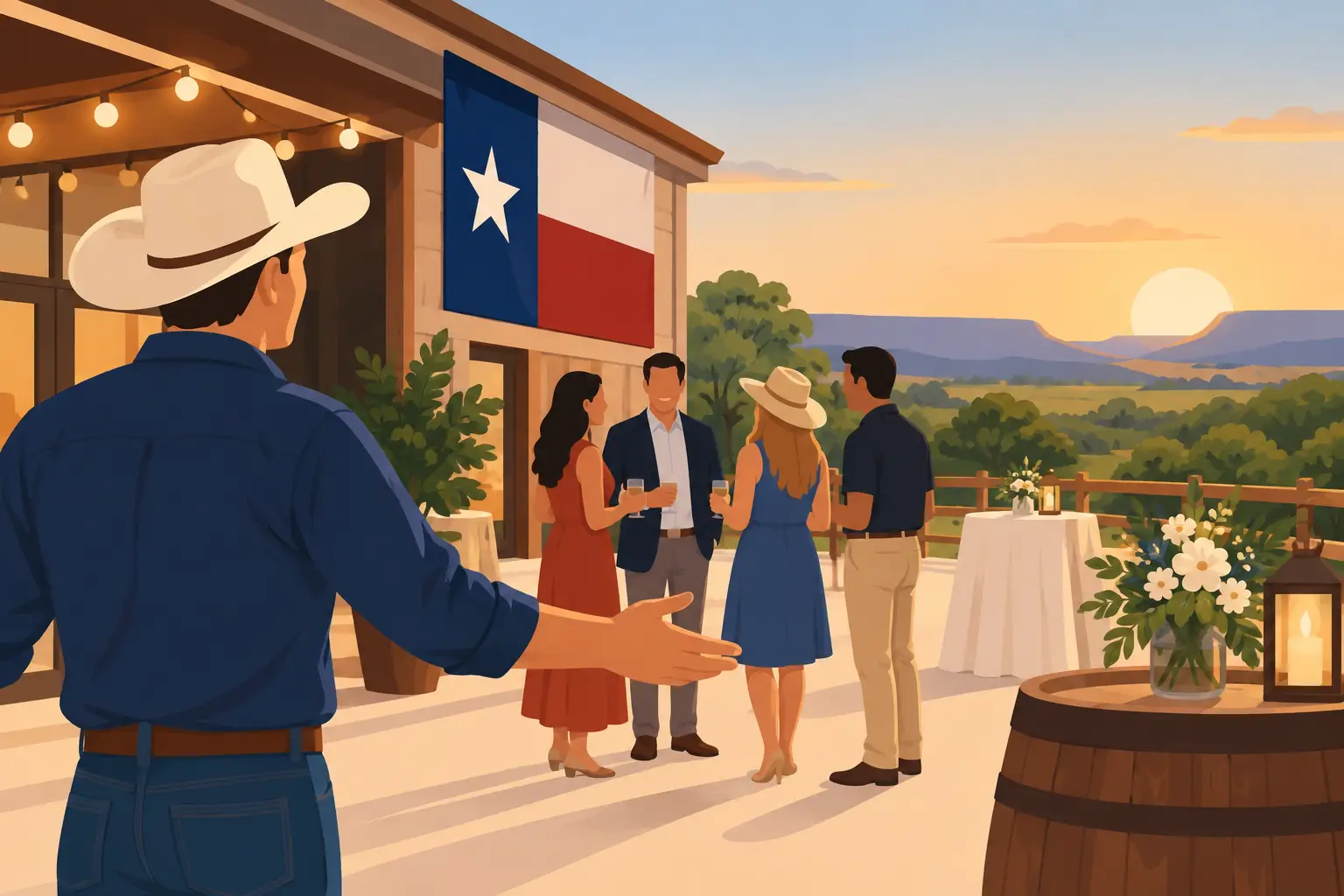
A great gathering should feel easy once the guests arrive. The food is flowing, drinks are cold, people know where to sit, and nobody is stuck playing host instead of enjoying the moment. That is the real goal of private events: bringing your people together for something worth celebrating without turning the celebration into another full-time job.
Whether you are planning a birthday, engagement party, team banquet, reunion, wedding weekend get-together, or company celebration, the best events strike a balance between a clear plan and room for a little fun. In Texas, that often means good comfort food, an atmosphere with personality, and a place where guests can settle in and stay awhile.
Start With the Feeling You Want Guests to Have
Before you count heads or choose a menu, picture the event from your guests' point of view. Is this a relaxed family dinner where grandparents, kids, and cousins can all be comfortable? A high-energy team celebration after a big win? A sunset cocktail gathering for a wedding party? The answer shapes nearly every decision that follows.
A reunion may need easy conversation, flexible seating, and a menu with broad appeal. A birthday might call for music, a lively crowd, and a later start. A company gathering can benefit from a defined welcome period before the party naturally loosens up. There is no single right formula, but there should be a purpose behind the plan.
The setting matters as much as the schedule. A lakeside patio gives guests something to enjoy between conversations, especially around sunset. A ranch-style restaurant setting brings more warmth than a plain event room, while still feeling polished enough for a meaningful occasion. When the backdrop does some of the work, you do not need to overdecorate the room or overcomplicate the entertainment.
Build Private Events Around the Guest List
The guest list is not just a headcount. It tells you what kind of gathering you are hosting.
For family celebrations, consider a time that works for different ages and a food plan that gives everyone familiar choices. Elevated comfort food is a strong fit because it feels generous without being fussy. Think shareable starters, satisfying entrees, a few options for lighter appetites, and a dessert or celebratory cake moment that gives everyone a reason to gather close.
For teams, coaches, and youth sports groups, keep the event moving. Players are usually hungry, parents are ready to relax, and the group has likely arrived with plenty to talk about. Family-style options, quick service, plenty of nonalcoholic drinks, and space for awards or a short toast can turn a simple meal into a proper season celebration.
For adult birthdays, anniversaries, and friend-group nights, build in a little energy. Great drinks, music, sports on the screens, and a patio where people can move around all help the night feel social rather than overly structured. The trade-off is that a lively setting may not be ideal for a formal speech-heavy program. If toasts are a priority, plan them early, before conversations and music pick up.
Choose Food and Drinks That Keep the Party Going
The menu should support the reason people came together, not slow it down. A plated meal can feel special for a formal group, but it also creates a tighter timeline. Casual shared food keeps things relaxed and encourages people to mingle. For many private events, a mix works best: appetizers or shareables when guests arrive, a dependable main meal, then something sweet or a signature late-night bite.
When selecting food, avoid planning only for the loudest preferences in the group. The best event menus have variety without becoming a mile long. Include crowd favorites, options for guests with dietary needs, and portions that match the time of day. A lunch gathering may call for lighter choices and a quicker pace. An evening party can lean into hearty comfort food and a longer, more relaxed flow.
Drinks deserve the same level of thought. A hosted bar can be a generous touch, but it needs clear boundaries. Some hosts prefer a set drink package, while others choose a tab with a maximum amount or provide beer, wine, and a few selected cocktails. The right approach depends on your budget, the group, and how late the event may run.
Always make nonalcoholic choices feel intentional. Iced tea, soda, sparkling water, and zero-proof options help every guest feel included. If the event is centered on sports, live music, or a late-night crowd, keeping water easily available is simply good hosting.
Give the Day a Simple Shape
Guests do not need a minute-by-minute itinerary, but they do appreciate knowing what happens next. A loose event flow takes pressure off everyone, including the host.
Start with arrival time and a welcome window. This is when guests grab a drink, find their friends, take photos, and get comfortable. Next comes food, followed by any planned moments such as introductions, awards, a birthday toast, or a few words from the newlyweds. After that, let the event breathe. That might mean catching a game, enjoying live music, stepping onto the patio, or simply lingering around the table.
If you have speeches, keep them short and place them before the room gets too loud. If you are recognizing a coach, employee, graduate, or family member, have one person coordinate the order of speakers. A little preparation prevents that familiar moment where everyone looks around wondering who is supposed to talk first.
For larger groups, designate one or two point people besides the host. They can help greet guests, direct late arrivals, collect gifts, or coordinate with venue staff if needed. That small step lets the host enjoy the event instead of troubleshooting it.
Ask the Questions That Prevent Last-Minute Stress
The easiest private events are planned with a few practical details settled well ahead of time. Confirm the guest count deadline, seating layout, food service style, arrival time, and any needs for decorations, cake storage, microphones, or a presentation area.
It is also smart to think through weather if part of your gathering is outdoors. A patio overlooking the water can make an event feel unforgettable, but Texas weather has its own ideas. Ask about backup options, shade, heaters, and how the venue handles a sudden change in conditions. Planning for both sunshine and rain does not take away from the fun. It protects it.
For groups coming from Royse City, Rockwall County, Greenville, or farther across East Dallas, make arrival easy. Include the start time, parking guidance, dress expectations, and whether guests should plan to stay for entertainment afterward. A simple message with those details cuts down on the stream of day-of texts.
Make the Celebration Feel Like Your Group
Personal touches do not need to be elaborate to land well. A welcome sign, a table for photos, team colors, a slideshow, or a favorite song can make a group event feel more personal. For a reunion, display old photos and name tags with graduation years or family branches. For a team celebration, bring a banner, highlight video, or a few award certificates.
The key is choosing one or two details that mean something, rather than trying to transform the venue into a completely different place. Guests remember the laughter around the table, the sunset over the lake, the big cheer after a toast, and the feeling that everyone was glad they came.
At The Back Porch, a private gathering can pair that personal touch with elevated comfort food, ice-cold drinks, a relaxed ranch atmosphere, and a lakeside patio built for catching the sunset. It is the kind of setting that works for an organized banquet, then naturally turns into a night where people stay for one more round, one more song, or one more story.
Know When Casual Beats Formal
Not every milestone needs a ballroom, assigned seating, and a three-hour program. For many groups, a relaxed restaurant event feels more welcoming because guests can dress comfortably, order another drink, watch the game, and spend time with people outside their assigned table.
That does not mean casual should feel unplanned. The best laid-back gatherings still have a confirmed menu, enough seating, a clear budget, and a point person who knows the plan. The difference is that the structure stays behind the scenes. Guests experience the good stuff: good food, a great view, and a room full of people who came ready to celebrate.
Pick a place that gives your group a reason to arrive early, linger after dinner, and make a memory between the planned moments. That is usually where the best stories begin.